


Study in
Germany.
Gain a globally respected education in one of Europe's leading economies.
Germany is a popular destination for international students, particularly for engineering, technology, business, science, and research. Students can choose from internationally recognized universities and a wide range of study programs.
Why Choose Germany?
Highly respected universities
Strong engineering and technology programs
Excellent research opportunities
Many programs available in English
Strong connection between education and industry
International student communities
Strong economy and employment market
Opportunities to study at comparatively affordable public institutions
Germany at a Glance
Bachelor's, Master's, PhD
Engineering, Computer Science, Business, Automotive, Data Science
German, English
Euro (EUR)
Berlin, Munich, Frankfurt, Hamburg, Stuttgart, Cologne
Mainly Winter and Summer semesters
International and multicultural
Study Options
Bachelor's Degrees
Programs are available in engineering, business, computer science, sciences, humanities, and other fields.
Master's Degrees
Germany is especially popular for technical and research-oriented master's programs.
PhD and Research
Students can pursue research-based doctoral programs at universities and research institutions.
Preparatory Programs
Students who do not directly meet admission requirements may explore preparatory or pathway options.
Top Study Destinations
Berlin
Germany's capital and a major center for technology, startups, culture, and international businesses.
Munich
A major technology, engineering, automotive, and business hub.
Frankfurt
An important international financial and business center.
Hamburg
A major European city known for logistics, business, technology, and maritime industries.
Stuttgart
Particularly strong in engineering and automotive industries.
Cologne
A major student and cultural city with a wide range of educational opportunities.
Tuition Fees & Living Costs
Tuition fees depend on the institution, program, and state.
Public universities may offer relatively low tuition costs for many students, while students should still budget for semester contributions, accommodation, insurance, food, transportation, and other living expenses.
Typical living costs: approximately €900–€1,300+ per month depending on the city and lifestyle.
€0 - €20,000 per year (public universities often free)
€900 - €1,300 per month
Life in Germany
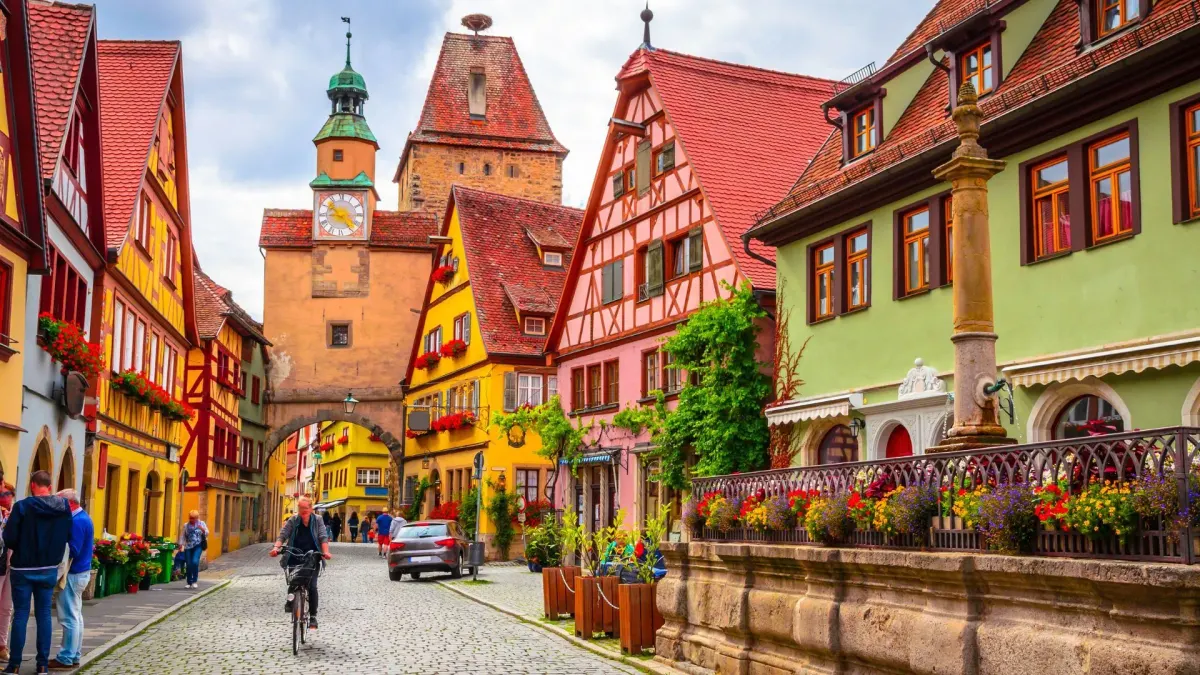
Germany offers modern infrastructure, efficient transportation, historic cities, cultural diversity, and access to the wider European region.
Students can also benefit from Germany's strong industrial and technology ecosystem.
Post-Study Opportunities
Germany offers opportunities for qualified international graduates to seek employment after graduation, subject to current immigration regulations.
Important employment sectors include:
- Engineering
- Automotive
- IT
- Software Development
- Data Science
- Manufacturing
- Healthcare
- Business
Your Journey to Germany
Choose your program
Check admission requirements
Check language requirements
Shortlist universities
Prepare academic and financial documents
Submit applications
Receive your admission decision
Arrange finances and required insurance
Apply for the appropriate visa
Prepare for arrival
How We Can Help
University and course selection
Eligibility assessment
Application preparation
Document guidance
Scholarship guidance
Admission support
Visa guidance
Pre-departure assistance
Understand your visa pathway.
Apply for a national (Type D) student visa. You must show proof of funds (~€11,208/year) in a blocked account, valid health insurance and university admission.
Frequently Asked Questions
Germany offers strong universities, research opportunities, and a major European economy.
Yes. Many universities offer English-taught programs, particularly at master's level.
Some public institutions have relatively low tuition costs, but students still need to budget for living expenses and other required costs.
International student work permissions depend on current German immigration regulations.
Qualified graduates may have routes to remain in Germany for employment, subject to current regulations.
Start Your Study Journey in Germany
Explore universities, programs, and opportunities that match your academic and career goals.